
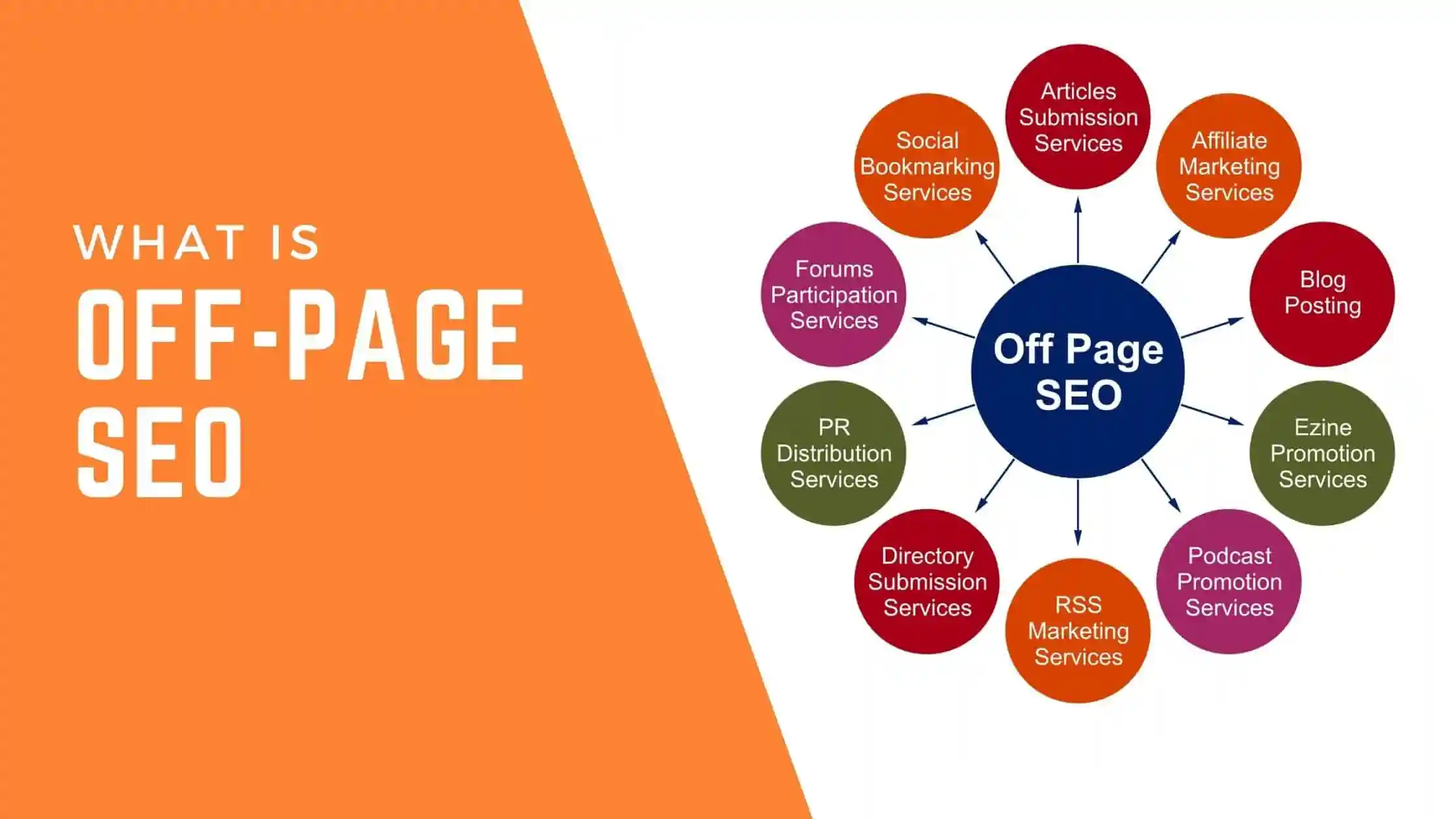
Off-Page SEO refers to all the actions you take outside your own website to improve its visibility, authority, trustworthiness, and rankings in search engine result pages (SERPs). Unlike on-page SEO — which focuses on optimizing content and structure on your own site — off-page SEO relies on signals from other websites and platforms that show search engines your site is valuable and credible.
In this guide, we’ll explore:
✔ What off-page SEO is
✔ Why it matters
✔ Core off-page SEO strategies
✔ How to measure success
✔ Best practices for building authority online
What Is Off-Page SEO?
Off-Page SEO includes everything done outside the boundaries of your website to improve search performance. This includes earning backlinks from other reputable websites, increasing branded mentions, promoting content on social media, gaining reviews, and building relationships that signal authority to search engines like Google.
While a website’s on-page elements (content quality, keyword optimization, internal links) and technical aspects (site structure, speed, mobile usability) determine how well a site is crawled and understood, off-page SEO determines how much authority and trust your website earns across the web. That reputation directly influences rankings.
Why Off-Page SEO Matters
Search engines use a variety of signals to determine whether a website deserves to rank for a given query. Off-page SEO signals are among the most powerful because they show proof from outside your own site that your content is valuable, credible, and trusted by users and other sites.
Key Benefits of Off-Page SEO
-
Authority & Trust Signals
Backlinks from reputable sites tell search engines your content is valuable and trusted — a core part of Google’s ranking algorithms. -
Increased Visibility
Content shared on social media, cited by influencers, or mentioned in industry blogs expands your brand reach. -
Traffic Diversification
Off-page tactics like social sharing and referral links bring users from outside search engines, increasing overall traffic. -
Branded Searches
When people search for your brand specifically (e.g., “YourCompany reviews”), it signals to search engines that your brand has recognition and relevance. -
Competitive Advantage
A strong off-site profile makes it easier to outrank competitors, especially in niches where backlinks and authority are weighted heavily.
Off-Page vs. On-Page SEO
It’s important to understand how off-page SEO fits into the broader SEO ecosystem.
On-Page SEO
On-page SEO refers to optimizations made on the website itself, including:
-
Keyword use in titles, headers, content
-
Meta tags and structured data
-
Internal linking
-
URL structure
These optimizations make your content more understandable and relevant to search engines and users.
Off-Page SEO
Off-page SEO focuses on building external trust and authority, such as:
-
Backlinks from other websites
-
Social media engagement
-
Brand mentions
-
Influencer outreach
-
Content promotion on third-party platforms
Both on-page and off-page SEO contribute to organic rankings, but they serve different roles: on-page helps search engines understand your content, and off-page helps them trust and value it.
The Core Off-Page SEO Strategies
Below are the most impactful off-page SEO techniques that help your site earn authority and improve rankings sustainably.
1. Backlink Building: The Foundation of Off-Page SEO
Backlinks — links from other websites to yours — are the most critical off-page ranking factor. Each quality backlink acts as a vote of confidence that your content is valuable and trusted.
But not all backlinks are equal:
✔ High-authority backlinks (from reputable sites) boost rankings more than low-quality ones.
✔ Natural backlinks (earned due to quality content) are more valuable than paid or spammy links.
✔ Relevant backlinks (from related niches) send stronger relevance signals.
Common backlink building methods include:
-
Guest posting on related blogs
-
Content outreach to industry sites
-
Broken link building (replacing dead links with yours)
-
Resource link acquisition on high-value pages
-
Digital PR campaigns to earn links from news and publications
2. Brand Mentions and Unlinked References
Brand mentions occur when other websites or platforms mention your brand name, even if they don’t link to your site. Search engines increasingly treat these mentions as trust and authority signals, especially when they appear across reputable sources.
Tools can help you find unlinked mentions so you can reach out and ask the author to add a link, turning brand mentions into backlinks.
3. Content Marketing & Promotion
High-quality content is a magnet for backlinks and social shares. But it must be promoted to gain traction outside your site. Techniques include:
-
Sharing articles on social platforms
-
Syndicating content on industry forums
-
Email outreach to influencers
-
Publishing visual content (videos, infographics, data studies)
Promotion increases visibility, which in turn increases the chance of backlinks and mentions.
4. Social Media Engagement
While social media signals don’t directly affect ranking algorithms, they play an important role in building visibility and indirect SEO value.
Strong social performance can lead to:
-
More referral traffic
-
Higher chances of content being linked by other sites
-
Increased brand recognition and searches for your brand name
Use platforms like LinkedIn, Twitter (X), YouTube, Facebook, and Instagram strategically to share and promote your best content.
5. Influencer Marketing & Collaborative Content
Influencers in your niche can help amplify your content and generate high-quality backlinks.
Ways to work with influencers:
✔ Interview influencers on your blog
✔ Partner for co-authored content
✔ Leverage influencer social shares to expand reach
✔ Invite influencers to events or expert roundups
When influencers link to your content from high-traffic sites, the SEO benefit can be significant.
6. Local SEO & Business Listings
For local businesses, off-page SEO includes local citations and directory listings.
Important off-site tasks for local visibility:
-
Claim your Google Business Profile
-
Ensure consistent NAP (Name, Address, Phone) across directories
-
Encourage and reply to online reviews
-
List your site in relevant local directories
Local citations help Google validate your business information and improve visibility in local search results.
7. Reviews & Reputation Management
Online reviews build trust for potential customers and authority signals for search engines. Encourage reviews on:
✔ Google Business Profile
✔ Yelp and industry-specific platforms
✔ Social media and product review pages
Responding professionally to all reviews — positive or negative — also builds credibility.
Measuring Off-Page SEO Success
To determine whether your off-page SEO efforts are working, track the following metrics:
Backlink Metrics
-
Number of referring domains
-
Authority of linking domains
-
Anchor text relevance
-
Link growth over time
Tracking tools like SEO platforms, backlink analytics tools, and alerts can help you monitor link acquisition and quality.
Brand & Social Signals
-
Branded keyword search volume
-
Number of mentions across the web
-
Social engagement rates (shares, comments)
-
Referral traffic from external sites
These metrics show whether your authority and brand reach are expanding.
Best Practices: What NOT to Do
Off-page SEO is powerful, but it must be done ethically.
❌ Avoid buying backlinks from low-quality networks
❌ Don’t use automated link tools that create spammy links
❌ Steer clear of link farms or irrelevant directory submissions
Search engines penalize manipulative tactics. Focus instead on earning links naturally and building real online trust.
The Future of Off-Page SEO
Modern off-page SEO is evolving. Search engines increasingly factor in:
✔ Brand reputation and authority
✔ Content relevance and expertise signals
✔ Quality of user engagement
✔ AI-driven relevance signals beyond links
That means successful off-page strategies today must focus on building real relationships, high-quality content, and a strong brand presence across platforms.
Final Thoughts
Off-page SEO is no longer just about backlinks — it’s about building authority, brand recognition, and trust across the web. The more reputable sources that link to, mention, or share your content, the stronger your position in search engines becomes.
By implementing sustainable off-page strategies like quality link building, influencer outreach, social engagement, and reputation management, you’ll improve not only your rankings but also your overall brand visibility and long-term growth online.
اترك تعليقاً