
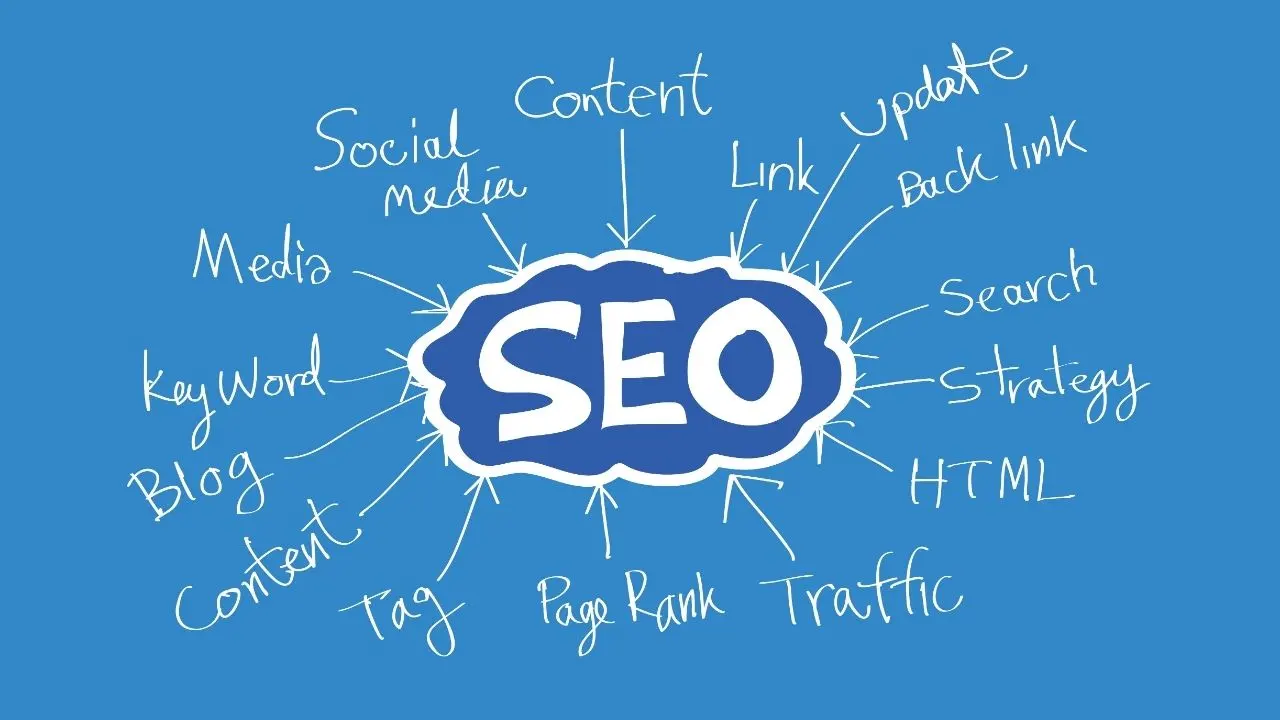
Search Engine Optimization (SEO) is the process of improving a website’s visibility in search engine results pages (SERPs) in order to attract more organic traffic. Instead of paying for ads, SEO focuses on earning traffic naturally by aligning your website with how search engines evaluate relevance, quality, and authority.
In today’s digital landscape, SEO is not optional. It is a fundamental part of online growth, brand visibility, and long-term marketing success.
This guide explains what SEO is, how it works, why it matters, and the core elements every successful SEO strategy must include.
What Does SEO Mean?
SEO stands for Search Engine Optimization. It refers to a set of practices designed to help search engines understand your website and rank it higher for relevant search queries.
The goal of SEO is simple:
-
Help search engines discover your content
-
Help them understand what your pages are about
-
Prove that your content is valuable, trustworthy, and relevant
When done correctly, SEO increases your chances of appearing in front of users exactly when they are searching for information, products, or services related to your business.
Why SEO Is Important
Search engines are the primary way people discover content online. Millions of searches happen every day, and most users click on one of the top results.
SEO is important because it:
-
Drives consistent, long-term organic traffic
-
Reduces reliance on paid advertising
-
Builds brand credibility and trust
-
Improves user experience
-
Supports other digital marketing channels
Websites that rank higher tend to receive more clicks, more engagement, and more conversions. SEO helps you compete effectively, even against larger brands, by targeting the right audience with the right content.
How Search Engines Work
To understand SEO, you need to understand how search engines operate. The process can be divided into three main stages:
1. Crawling
Search engines use automated bots to scan the web and discover new or updated pages by following links.
2. Indexing
After a page is crawled, the search engine analyzes its content, structure, and signals, then stores it in a massive database called the index.
3. Ranking
When a user enters a search query, the search engine evaluates indexed pages and ranks them based on relevance, quality, authority, and user experience.
SEO focuses on making sure your website performs well in all three stages.
The Main Types of SEO
SEO is not a single tactic. It is a combination of several disciplines that work together.
1. On-Page SEO
On-page SEO refers to optimizations made directly on your website’s pages. This includes:
-
Keyword usage in titles and headings
-
Content relevance and depth
-
Meta titles and descriptions
-
Internal linking
-
URL structure
The goal of on-page SEO is to clearly communicate what each page is about and how it matches user search intent.
2. Technical SEO
Technical SEO focuses on the backend and infrastructure of your website. It ensures that search engines can access, crawl, and index your content efficiently.
Key technical SEO elements include:
-
Site speed and performance
-
Mobile friendliness
-
Secure HTTPS connections
-
Crawlability and indexability
-
XML sitemaps and robots.txt
-
Structured data
Without solid technical SEO, even the best content may never rank.
3. Off-Page SEO
Off-page SEO refers to actions taken outside your website to build authority and trust. These signals help search engines determine how credible your site is.
Common off-page SEO factors include:
-
Backlinks from other websites
-
Brand mentions
-
Content promotion
-
Social visibility
-
Online reviews and reputation
Off-page SEO is largely about building a strong digital presence beyond your own site.
Keyword Research: The Foundation of SEO
Keyword research is the process of identifying the terms and phrases users type into search engines.
Effective keyword research helps you:
-
Understand what your audience is looking for
-
Discover content opportunities
-
Match content with search intent
-
Prioritize realistic ranking opportunities
Keywords vary in intent, such as informational, navigational, or transactional. Successful SEO strategies focus on intent, not just search volume.
On-Page SEO Best Practices
Once you know your target keywords, on-page optimization helps maximize visibility and relevance.
Title Tags and Meta Descriptions
Titles should be clear, concise, and descriptive. Meta descriptions should summarize the page and encourage clicks.
Headings and Content Structure
Using proper heading hierarchy improves readability and helps search engines understand content structure.
Content Quality
High-quality content is accurate, well-structured, and fully answers user questions. Depth, clarity, and usefulness matter more than keyword repetition.
Internal Linking
Internal links help distribute authority across your site and guide users to related content.
Technical SEO Essentials
Technical SEO ensures that your site performs well for both users and search engines.
Site Speed and Performance
Fast-loading pages improve user experience and reduce bounce rates. Performance optimization includes image compression, code optimization, and efficient hosting.
Mobile Optimization
Search engines primarily evaluate the mobile version of a site. Responsive design and mobile usability are critical ranking factors.
Crawlability and Indexing
Your important pages should be accessible to search engine bots. Sitemaps, internal links, and proper directives help guide crawling behavior.
Duplicate Content Management
Duplicate content can dilute ranking signals. Canonical tags help search engines identify the preferred version of a page.
Off-Page SEO and Authority Building
Search engines rely heavily on external signals to determine credibility.
Backlinks
Links from reputable websites act as endorsements. Quality, relevance, and natural acquisition matter more than quantity.
Brand Mentions
Mentions of your brand across the web contribute to authority and visibility, even when they are not linked.
Content Promotion
Sharing content through partnerships, outreach, and social platforms increases exposure and earning potential.
Off-page SEO is a long-term effort focused on trust and reputation.
Measuring SEO Success
SEO performance should be tracked using clear metrics, such as:
-
Organic traffic growth
-
Keyword ranking improvements
-
Click-through rates
-
User engagement metrics
-
Backlink profile strength
SEO is not instant. Results typically build over time, and consistent tracking helps refine strategy and priorities.
Common SEO Mistakes to Avoid
-
Focusing only on keywords instead of user intent
-
Ignoring technical SEO issues
-
Publishing thin or low-quality content
-
Using manipulative link-building tactics
-
Expecting immediate results
SEO rewards patience, consistency, and quality.
The Future of SEO
SEO continues to evolve alongside search engine algorithms and user behavior.
Modern SEO focuses more on:
-
Topic authority instead of single keywords
-
User experience and satisfaction
-
Brand trust and credibility
-
AI-driven relevance signals
-
Structured data and rich results
Successful SEO strategies adapt to these changes by prioritizing value, clarity, and authenticity.
Final Thoughts
SEO is the backbone of sustainable online visibility. It combines technical optimization, high-quality content, and authority building to help websites earn long-term organic traffic.
Rather than chasing shortcuts, effective SEO focuses on understanding users, delivering value, and building trust over time. When all elements work together, SEO becomes one of the most powerful and cost-effective digital marketing strategies available.
Leave a Reply